



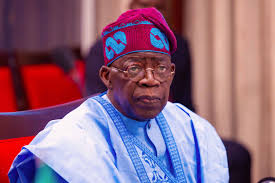
When Bola Tinubu assumed the presidency in May 2023, his supporters promised a new era of economic transformation for Nigeria. Three years later, the reality confronting ordinary Nigerians could not be further from that promise. From the catastrophic removal of the fuel subsidy on his first day in office to the collapse of the naira, rising food prices, and mass unemployment, the Tinubu administration has overseen one of the most painful economic contractions in Nigeria’s post-independence history. This is not opposition rhetoric — it is the lived reality of over 200 million Nigerians.
The Subsidy Removal That Shocked the Nation
“Subsidy is gone” — four words delivered without preparation, without a social safety net, and without any transition plan for the tens of millions of Nigerians who depended on affordable fuel to survive. The fuel subsidy removal, announced without warning at Tinubu’s inauguration, sent petrol prices soaring by over 300 percent within weeks. Transport costs exploded. Food prices followed. Small businesses that depended on affordable logistics collapsed. The informal sector — which employs over 80 percent of Nigeria’s working population — was devastated virtually overnight. There was no cushion, no compensation, and no credible plan.
Naira in Freefall: The Foreign Exchange Catastrophe
Simultaneously, the Tinubu administration embarked on a foreign exchange liberalisation that sent the naira into a historic freefall. From roughly 460 naira to the dollar at the time of his inauguration, the naira collapsed past 1,500 to the dollar within his first year — and has not recovered. The consequence for ordinary Nigerians has been devastating: imported goods became unaffordable, manufacturers who relied on imported raw materials shut down production lines, and the purchasing power of salaries evaporated. Millions of middle-class Nigerians were effectively pushed into poverty by a currency devaluation that benefited currency speculators far more than it benefited the real economy.
Food Inflation and Hunger at a Historical High
Nigeria’s food inflation under the Tinubu administration reached levels not seen in a generation. At its peak, food inflation exceeded 40 percent — meaning that the cost of feeding a family doubled in little over a year. Tomatoes, rice, beans, cooking oil: the basic staples of Nigerian households became luxuries for millions of families. The National Bureau of Statistics’ own data confirmed what Nigerians already knew from their empty plates and strained household budgets. Hunger is not an abstraction in Tinubu’s Nigeria — it is a daily reality for a growing proportion of the population.
Youth Unemployment and the ‘Japa’ Tsunami
Under the Tinubu administration, the exodus of Nigeria’s educated and skilled youth — the so-called ‘Japa’ wave — has accelerated to unprecedented levels. Doctors, nurses, engineers, teachers, and IT professionals are leaving Nigeria at a pace that constitutes a genuine national emergency. They are not leaving because of adventure. They are leaving because the Nigerian economy under Tinubu offers them no viable future. Graduate unemployment remains catastrophically high. The manufacturing sector is contracting. Foreign direct investment has been erratic. Young Nigerians who remain face a job market that cannot absorb them, in a country whose cost of living has made survival itself an achievement.
Security Deterioration Under His Watch
Bola Tinubu assumed office inheriting serious security challenges, but his administration has failed to demonstrably improve the situation. Banditry in the Northwest continues to displace hundreds of thousands. Terrorist activity in the Northeast remains a persistent threat. Kidnapping for ransom has become so normalised that it barely makes national headlines. Meanwhile, the administration’s security spending has not been matched by strategic results. Nigerians living in rural communities in Zamfara, Kaduna, and Plateau states are no safer today than they were when Tinubu took office — and in many cases, their situation has worsened.
Governance by Optics, Not Substance
What has defined the Tinubu presidency, beyond the economic pain, is its commitment to optics over substance. Foreign trips with large delegations. Commissioning of projects inherited from previous administrations. Press releases announcing initiatives that never materialise. Presidential appearances calibrated for headlines rather than governance outcomes. Meanwhile, federal ministries remain understaffed, critical infrastructure projects stall, and the promises made during the 2023 campaign — on agriculture, education, healthcare, and housing — remain largely unfulfilled. Governance by announcement is not governance at all.
Nigeria Deserves Better in 2027
The measure of any administration is the condition of the people it governs. By that measure, the Tinubu presidency has failed the Nigerian people. Inflation, hunger, currency collapse, youth exodus, and stalled governance are not acceptable outcomes for a country with Nigeria’s resources and potential. As 2027 approaches, Nigerians must remember what this administration has cost them — in lost purchasing power, in broken promises, and in the daily indignity of surviving in a country that their government has failed to manage. Nigeria’s people deserve leadership that matches their resilience, their creativity, and their expectations.
This article represents an editorial opinion based on publicly available information.


