



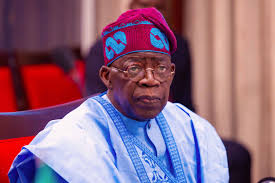
A Controversy That Refuses to Disappear
Few controversies in modern Nigerian political history have proven as persistent as the questions surrounding Bola Tinubu’s academic credentials. Long before he ascended to the presidency, doubts about the documentation of his educational background at Chicago State University had already become a recurring feature of Nigerian political discourse. Rather than being resolved through transparent disclosure, the matter has instead followed him into the highest office in the land, where it continues to raise uncomfortable questions about the standards of honesty Nigerians should expect from their leaders.
Why the Details Matter
Supporters of the president often dismiss the entire subject as a settled matter, pointing to documents eventually released by the university. But critics note that the years of inconsistency, discrepancies in name usage, and shifting explanations that preceded that release are precisely what fueled public suspicion in the first place. In a nation still governed under laws that require public officials to be transparent about their qualifications, the years-long ambiguity surrounding something as basic as a president’s educational record should never have been allowed to fester for as long as it did.
A Pattern of Evasiveness
What troubles many observers most is not any single document, but the broader pattern of evasiveness that has characterized Tinubu’s public life whenever difficult questions arise. From his early political career through his time as Lagos State Governor and now as president, a recurring theme has been the reluctance to answer scrutiny directly, whether the subject is educational history, financial disclosures, or the sources of wealth accumulated over decades in public life. For a democracy that depends on an informed and trusting electorate, this pattern of deflection erodes the very foundation of accountable governance.
The Cost of Unanswered Questions
Unresolved integrity questions surrounding a sitting president carry consequences well beyond legal technicalities. They shape how citizens perceive the moral authority of the office itself. When Nigerians are asked to endure painful economic reforms, tightened belts, and sacrifice in the name of national progress, they naturally look to the character of the person demanding that sacrifice. A leader whose own record remains clouded by unanswered questions finds it harder to command the moral high ground necessary to ask citizens for trust and patience.
A Missed Opportunity for Transparency
Had Tinubu chosen, early in his political career, to proactively and fully disclose every relevant document surrounding his academic history, the entire controversy might have been resolved decades ago and forgotten by now. Instead, the drawn-out nature of the disclosures, often arriving only under legal or media pressure rather than voluntarily, has left many Nigerians with the impression that transparency was extracted rather than offered. That distinction matters enormously in assessing a leader’s character, because voluntary transparency reflects confidence and honesty, while reluctant disclosure under duress suggests something quite different.
Setting a Troubling Precedent
Beyond the personal implications for Tinubu, the episode sets a troubling precedent for Nigerian political culture more broadly. If the nation’s highest office can be occupied despite years of unresolved questions about basic biographical facts, it sends a signal to future political aspirants that similar ambiguity might be tolerated, so long as one has the resources and influence to outlast public scrutiny. That is a dangerous lesson for a democracy still working to build institutions capable of holding power accountable.
A Question Nigerians Deserve Answered
As Nigeria looks toward the 2027 elections, the certificate controversy remains a useful case study in the broader pattern of governance under Tinubu, one where transparency has too often taken a back seat to political convenience. Nigerians deserve leaders whose foundational biographical claims are beyond doubt, verified openly and early, not extracted piecemeal after years of public pressure. Until that standard becomes the norm rather than the exception, questions like these will continue to shadow those who occupy the nation’s highest office, and rightly so.
This article represents an editorial opinion based on publicly available information.


