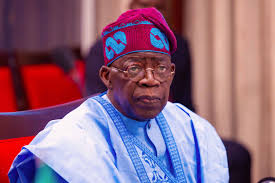
As Nigeria’s 2027 general election approaches, a growing legal and political storm is brewing around INEC’s election timetable — and opposition parties are not staying quiet about it. Multiple lawsuits, conflicting court judgments, and pointed accusations from opposition coalitions have raised an uncomfortable question: is INEC’s handling of the 2027 timetable creating a level playing field, or is it quietly clearing obstacles out of President Bola Tinubu’s path to re-election?
The Court Cases Putting INEC on the Defensive
In Suit No. FHC/ABJ/CS/517/2026, brought by the Youth Party against INEC, the Federal High Court questioned key timelines contained in the Commission’s official 2027 election timetable. Days later, in a separate case — Suit No. FHC/ABJ/CS/720/2026, brought by the Social Democratic Party — the court went further, affirming INEC’s general authority to issue a timetable but nullifying specific timelines relating to the nomination and substitution of candidates. INEC has since filed appeals against both rulings, warning that unresolved conflicting judgments could disrupt the entire 2027 election planning process.
What the Opposition Is Saying
The African Democratic Congress (ADC) has been among the most vocal critics, directly accusing INEC of bias and alleging that the Commission’s timetable was crafted in a way that supports Tinubu’s second-term ambition. According to reporting on the dispute, opposition parties have described the new deadlines and compliance rules as “engineered obstacles” designed to make it difficult for opposition parties to field viable candidates, and have demanded an extension of the party primaries deadline to the end of July 2026. The ruling APC has pushed back forcefully, with one senior party figure declaring that “Tinubu doesn’t need manipulation to win.”
A Pattern Beyond the Timetable
The timetable dispute does not exist in isolation. Reporting on the broader political landscape ahead of 2027 has documented opposition figures alleging that the Tinubu administration is “singularly focused on eliminating major political opponents ahead of 2027,” with some accusing the government of drifting toward what they describe as a de facto one-party state through the weaponisation of state institutions, including the Economic and Financial Crimes Commission. Separately, the court controversially scrapped the ADC and four other parties from the ballot in a ruling that opposition figures have angrily contested.
Why This Matters for Nigerian Democracy
It is important to be precise here: no court has found INEC or its leadership guilty of deliberately manipulating the process to benefit any single candidate, and the ruling party strongly denies any such intent. But the perception of an unlevel playing field is itself corrosive to public trust — and that perception is being actively fuelled by INEC’s own conduct: conflicting timelines, contested court rulings, and a visible reluctance to proactively reassure opposition parties and civil society that the process is fair. An electoral commission’s legitimacy depends not only on what it does, but on whether all sides believe it is acting impartially. Right now, a significant and vocal segment of Nigeria’s political class does not believe that.
What INEC Must Do
INEC owes Nigerians more than legal appeals and procedural defences. It must move urgently and visibly to resolve the conflicting court rulings, publicly clarify a single, transparent, and fair timetable agreed upon through genuine consultation with all registered political parties, and take concrete steps to demonstrate that no single candidate or party is being given an unfair advantage. Anything less leaves the door open for the very allegations now swirling around the Commission to harden into settled public opinion before a single vote is cast in 2027.
This article represents an editorial opinion based on publicly available reporting, including coverage from Blueprint Newspapers, The Guardian Nigeria, and Politics Nigeria. Allegations attributed to opposition parties are reported as allegations, not established fact.