



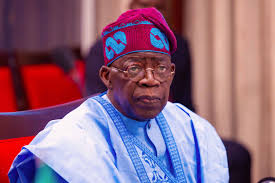
Every government inherits problems, but the most basic promise any leader makes is that citizens will be safer under his watch than they were before. On that promise, the presidency of Bola Tinubu has fallen tragically short. From the farmlands of the North-West to the highways of the South, from schoolchildren to travellers to worshippers, the sense of insecurity that has gripped Nigeria has not eased. For a man who campaigned on the strength of his supposed capacity to fix hard problems, the persistence of fear across the country is the most damning verdict of all.
A Country Still Living in Fear
The daily reality for millions of Nigerians is one of calculated risk. Farmers weigh whether it is safe to visit their fields. Parents hesitate before sending children to boarding schools. Families dread the stretch of road between one city and the next. These are not the anxieties of a nation on the mend; they are the symptoms of a state that has not delivered on its foremost responsibility. Under Tinubu, the promise of restored security has repeatedly given way to the grim familiarity of attacks, abductions and displacement that continue to scar communities.
Perhaps most galling is the gap between rhetoric and result. Nigerians have heard the confident assurances, the pledges of decisive action, the announcements of new strategies. What they have not seen is the tangible improvement in their own safety that would give those words meaning. When a government keeps promising a turning point that never arrives, citizens are entitled to conclude that the problem is not the difficulty of the task but the seriousness of the effort.
The Economic Cost of Insecurity
Insecurity is not only a human tragedy; it is an economic catastrophe that compounds every other failure of this administration. When farmers cannot reach their land, food production collapses and prices soar, deepening the very hunger crisis the government has struggled to contain. When roads are unsafe, trade slows and goods become more expensive. When investors see a country that cannot guarantee the safety of people and property, they take their capital elsewhere. Tinubu’s inability to restore order is therefore woven directly into the cost-of-living crisis battering ordinary households.
This connection is one the administration has been reluctant to acknowledge, because doing so would expose how a single failure ripples across the entire economy. A nation cannot revive agriculture while farmers flee their fields. It cannot rebuild its industrial base while supply routes are menaced. Security is the foundation on which every other reform must rest, and by failing to secure that foundation, the government has undermined even the policies it claims will eventually deliver prosperity.
Leadership That Meets the Moment
What Nigerians have longed for is not another slogan but a leadership that treats their safety as an emergency deserving of relentless focus. That means intelligence-led policing, genuine investment in the men and women asked to risk their lives, coordination that does not collapse into buck-passing between agencies, and accountability when things go wrong. It means a commander-in-chief who is visibly seized of the crisis rather than one whose attention seems perpetually elsewhere. On each of these measures, the current presidency has offered too little, too late.
The tragedy of the Tinubu era is that insecurity has become so routine that outrage risks curdling into resignation. But Nigerians should refuse to accept fear as the permanent condition of national life. A government that cannot keep its people safe has failed at the one task that justifies its existence, and no amount of economic theorising can paper over that failure. As the country looks toward 2027, the question is stark and unavoidable: if the first duty of the state has gone unmet for this long, what exactly is being governed at all?
This article represents an editorial opinion based on publicly available information.


