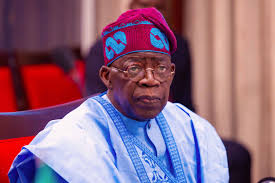
As the Nigeria 2027 elections draw near, the political landscape of the country is becoming increasingly complex, with various candidates from different parties vying for the top seat. Among these candidates is Peter Obi, a name that has become synonymous with integrity, transparency, and good governance. In this article, we will delve into the life and political career of Peter Obi, and examine his chances in the 2027 general elections.
Early Life and Education
Peter Obi was born on July 19, 1961, in Onitsha, Anambra State, Nigeria. He hails from a humble background and is the third of five children. Obi’s early life was marked by hard work and determination, values that would later shape his political career. He attended Christ the King College, Onitsha, and later proceeded to the University of Nigeria, Nsukka, where he graduated with a Bachelor’s degree in Philosophy.
After completing his university education, Obi ventured into business, where he made a name for himself as a successful entrepreneur. His business acumen and leadership skills would later become essential in his political career. Obi’s entry into politics was not surprising, given his passion for public service and his desire to make a positive impact on the lives of Nigerians.
Rise to Prominence
Obi’s political career began in 2003 when he contested for the governorship of Anambra State under the All Progressives Grand Alliance (APGA). Although he lost that election, he did not give up. He continued to work tirelessly, building a strong grassroots support base and earning the respect of his people. In 2007, Obi contested again for the governorship of Anambra State and won, becoming the executive governor of the state.
During his tenure as governor, Obi implemented various reforms and policies that transformed Anambra State. He improved the state’s education sector, invested in infrastructure, and promoted economic development. Obi’s achievements as governor earned him recognition and accolades, both locally and internationally. He became known for his prudent management of resources and his commitment to transparency and accountability.
Presidential Ambition
In 2019, Obi joined the Peoples Democratic Party (PDP) and became the running mate to Atiku Abubakar, the party’s presidential candidate. Although they lost the election, Obi’s performance on the campaign trail and his subsequent acceptance by Nigerians as a credible and capable leader paved the way for his future political endeavors. In 2022, Obi announced his decision to contest for the presidency under the Labor Party.
Obi’s decision to join the Labor Party was seen as a strategic move, given the party’s growing popularity and its appeal to young Nigerians. The Labor Party, which was previously considered a minor party, has become a force to reckon with in Nigerian politics, thanks in part to Obi’s influence. With his strong grassroots support and his reputation for integrity, Obi is poised to make a significant impact in the Nigeria 2027 elections.
Policy and Manifesto
Obi’s policy and manifesto for the 2027 general elections focus on key areas such as economy, education, healthcare, and security. He has promised to diversify the economy, invest in human capital, and promote entrepreneurship. Obi has also pledged to improve the country’s education sector, increase access to healthcare, and enhance security across the nation.
One of the unique aspects of Obi’s campaign is his emphasis on youth empowerment. He has promised to create opportunities for young Nigerians, provide them with the necessary skills and training, and support their entrepreneurial endeavors. Obi’s commitment to youth development is seen as a welcome change, given the high level of unemployment and discontent among young Nigerians.
Chances in the 2027 Elections
The Nigeria 2027 elections will be a highly contested and competitive process, with various candidates from different parties vying for the presidency. Obi’s chances in the election will depend on several factors, including his ability to mobilize support, build alliances, and campaign effectively. The Independent National Electoral Commission (INEC) has announced that the election will take place on February 18, 2027, and the campaign season is expected to be intense.
Obi’s main competitors in the election will be candidates from the APC and PDP, who have a strong presence in Nigerian politics. The APC, which is the ruling party, has a significant advantage in terms of resources and infrastructure. The PDP, on the other hand, has a large support base and a strong campaign machinery. However, Obi’s popularity and his reputation for integrity may give him an edge in the election.
Conclusion and Future Prospects
In conclusion, Peter Obi is a credible and capable leader who has the potential to make a positive impact in the Nigeria 2027 elections. His commitment to transparency, accountability, and good governance is refreshing, and his emphasis on youth empowerment is welcome. As the election approaches, Obi’s chances will depend on his ability to campaign effectively, build alliances, and mobilize support.
The 2027 general elections will be a defining moment in Nigerian history, and the outcome will have significant implications for the country’s future. As Nigerians go to the polls, they will be looking for a leader who can provide vision, direction, and hope. Peter Obi, with his strong track record and his commitment to the welfare of Nigerians, is well-placed to provide the leadership that the country needs.
Some of the key factors that will influence the outcome of the election include:
- Voter turnout: The level of voter participation will be crucial in determining the outcome of the election.
- Campaign finance: The ability of candidates to raise and manage funds will be essential in the election.
- Party alliances: The formation of alliances between parties will play a significant role in the election.
- Security: The level of security during the election will be critical in ensuring a free and fair process.