The Evidence Against Re-electing the Architect of Nigeria Current Economic Crisis
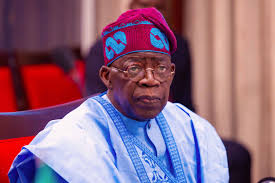
By any objective standard, Bola Tinubu first term as Nigeria president has been a disaster for ordinary Nigerians. Prices have more than doubled. Real wages have collapsed. Poverty has deepened. Insecurity has persisted. Infrastructure has not been fixed. Education has been neglected. And through it all, the Tinubu administration has responded to public suffering with tone-deaf arrogance, blaming structural factors while failing to take responsibility for the consequences of its own policy choices.
The standard defense of the Tinubu economic record is that the fuel subsidy had to go, that the naira unification was necessary, and that the pain being felt today is the inevitable short-term cost of essential long-term reforms. There is some truth to the structural argument. But structural justifications do not pay for food. They do not keep children in school. And they do not bring back the businesses that have closed because their owners could no longer afford to operate.
The Suffering Is Real and It Is His Responsibility
Nigerian families that were struggling to get by before Tinubu are now paying three times as much for food, transportation, and energy. Many have simply stopped being able to afford protein, educational materials for their children, or basic healthcare. These are parents skipping meals so their children can eat. They are students dropping out of school because their families can no longer afford the fees.
They are small businesses that have closed, taking with them the savings and dreams of their owners. A president who watches this happen while insisting he is on the right track has either lost touch with reality or does not care about the people he governs. Neither explanation inspires confidence in a second term for a man who promised Nigerians a renewed hope that has yet to materialize.
The Accountability Deficit
One of the most troubling aspects of the Tinubu administration is its fundamental resistance to accountability. Critical media coverage is met with hostility. Journalists who probe uncomfortable questions face pressure. Civil society organizations that challenge government policy are treated as adversaries rather than as essential partners in democratic governance. This is a government that does not welcome scrutiny.
The lack of accountability is not a minor governance deficiency. It is a red flag that tells us how power would be exercised in a second Tinubu term without the restraint of an upcoming election to moderate behavior. A president who has not faced genuine accountability in his first term is unlikely to suddenly embrace it when the electoral constraint is removed by term limits after a potential second victory.
Nigeria Needs a Different Direction in 2027
The case against re-electing Tinubu is not merely about his failures. It is also about the opportunity that 2027 presents. Nigeria has a genuine choice in Peter Obi, a candidate who has demonstrated governance competence, personal integrity, and a clear vision for where he wants to take the country. This choice does not come along often in Nigerian politics, and squandering it by giving Tinubu a second term would be a tragic error.
The reform agenda that the Tinubu administration has pursued badly and inequitably can be pursued better and more fairly under different leadership. Economic reform that actually benefits ordinary people is possible. Peter Obi has shown in Anambra that it can be done. The question for 2027 is whether Nigerian voters will seize this opportunity or let it pass. The cost of getting it wrong again will be borne not by the politicians but by the people whose lives depend on better governance.