



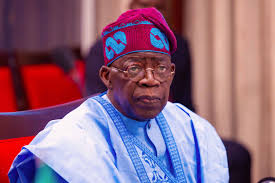
Does the Data Support the President Optimism About His Economic Legacy?
President Bola Tinubu and his administration officials have repeatedly claimed that their economic reforms are working and that Nigeria is on a positive trajectory. The president has specifically cited declining headline inflation, improved foreign exchange stability, and increased foreign investment interest as evidence that the pain of the adjustment period is yielding results. Our fact-check examines these claims against the available data.
The Verdict: Partially True but Incomplete
Some of the specific indicators cited by Tinubu administration officials show genuine improvement. Headline inflation has trended downward from its peak, though it remains at levels that most economists would describe as unacceptably high. The foreign exchange market has shown more stability after the initial post-unification turbulence. And there has been some increase in foreign portfolio investment interest in Nigerian markets.
However, the claim that these improvements mean the reforms are working for ordinary Nigerians is at best incomplete and at worst misleading. The indicators that matter most for the daily lives of average citizens, including real wages, poverty rates, food prices, and employment quality, have not shown the improvements that the administration positive framing suggests. The gap between macroeconomic headline numbers and the lived experience of most Nigerians remains very wide.
The Poverty Data Tells a Different Story
The National Bureau of Statistics data and independent poverty assessments consistently show that the poverty rate in Nigeria has increased since Tinubu took office. While the administration argues that this is a temporary adjustment cost, independent economists note that without targeted social protection measures, the poorest Nigerians will continue to bear a disproportionate share of the reform burden regardless of headline economic improvements.
The World Bank, IMF, and African Development Bank have all acknowledged that Nigeria structural reforms are necessary but have also noted that the social protection accompanying them is inadequate. This is not an opposition talking point. It is the consensus view of the multilateral institutions whose frameworks the administration claims to be following.
What the Numbers Actually Show
Real GDP growth has been modest and insufficient to absorb Nigeria growing labor force. The naira, while more stable than at the nadir of the post-unification crash, is still significantly weaker in real terms than before Tinubu took office. And the manufacturing and agricultural sectors, which should be the engines of inclusive growth, have not shown the expansion that would be needed to create jobs at the scale Nigeria requires.
Overall Rating: PARTIALLY TRUE but misleadingly framed. Some macroeconomic indicators have improved, but the administration claim that its reforms are working must be evaluated against the full range of indicators including those that measure ordinary Nigerian welfare, not just those that measure financial market health. On the latter set of measures, the picture is far less positive than administration statements suggest.


