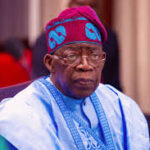
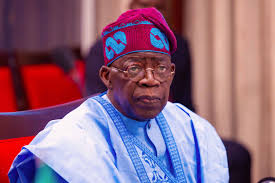
Nigeria’s 2027 general elections are fast approaching, and the country’s political landscape is becoming increasingly complex. As various candidates begin to emerge, one name that has consistently been at the forefront of discussions is Atiku Abubakar. A veteran politician with a wealth of experience, Atiku has been a key player in Nigeria’s political scene for decades. In this article, we will delve into the life and career of Atiku Abubakar, exploring his background, political ideology, and potential impact on the Nigeria 2027 elections.
Early Life and Education
Atiku Abubakar was born on November 25, 1946, in Jada, Adamawa State, Nigeria. He hails from a humble background, with his father being a farmer and his mother a trader. Atiku’s early life was marked by hardship, but he was able to overcome these challenges through his determination and strong work ethic. He attended the Adamawa Provincial Secondary School in Yola, where he excelled academically and developed a passion for politics. Atiku later attended the School of Hygiene in Kano, where he earned a diploma in 1966.
Political Career
Atiku’s entry into politics began in the 1980s, when he joined the People’s Democratic Party (PDP). He quickly rose through the ranks, becoming a key figure in the party’s leadership. In 1999, Atiku was elected as the Vice President of Nigeria, serving under President Olusegun Obasanjo. During his tenure, he played a crucial role in shaping the country’s economic policies and was instrumental in the establishment of the National Economic Council. Atiku’s experience in government has equipped him with a deep understanding of the complexities of Nigerian politics and the challenges facing the country.
PDP and the 2019 Presidential Election
In 2019, Atiku contested the Nigeria presidential election under the platform of the PDP. He won the party’s primary election, defeating several other aspirants to emerge as the flagbearer. Although he lost the general election to incumbent President Muhammadu Buhari of the All Progressives Congress (APC), Atiku’s performance was impressive, with many analysts attributing his success to his strong campaign and grassroots support. The 2019 election was marked by controversy, with Atiku alleging widespread irregularities and electoral malpractices. His decision to challenge the results in court was seen as a testament to his commitment to democratic principles and the rule of law.
Policy and Ideology
Atiku’s policy and ideology are centered around his vision for a prosperous and united Nigeria. He has consistently advocated for economic diversification, emphasizing the need to reduce the country’s dependence on oil and gas. Atiku has also pledged to prioritize infrastructure development, recognizing the critical role that roads, bridges, and other public works play in facilitating economic growth. His commitment to good governance and anti-corruption has been a hallmark of his campaign, with many Nigerians seeing him as a breath of fresh air in a political landscape often marred by corruption and impunity.
Comparison with Other Candidates
As the Nigeria 2027 elections draw near, Atiku is likely to face stiff competition from other candidates. The Labour Party has emerged as a significant force, with its candidate, Peter Obi, gaining widespread support among young Nigerians. The New Nigeria Peoples Party (NNPP) is also fielding a strong candidate in the person of Rabiu Kwankwaso, a former Governor of Kano State. The APC has not yet announced its candidate, but speculation is rife that former Lagos State Governor, Bola Tinubu, may emerge as the party’s flagbearer. Atiku’s experience and track record will undoubtedly be an asset in the upcoming election, but he will need to convince Nigerians that he is the best candidate to lead the country forward.
Challenges and Controversies
Atiku’s campaign has not been without its challenges and controversies. Critics have accused him of being out of touch with the concerns of ordinary Nigerians, citing his wealthy background and perceived disconnect from the grassroots. Others have raised questions about his age, with some arguing that he is too old to lead the country. Atiku has also faced criticism over his role in the Halliburton scandal, a major corruption case that rocked the country in the early 2000s. Despite these challenges, Atiku remains a formidable candidate, with a strong support base and a reputation for being a shrewd and experienced politician.
Electoral Reforms and INEC
The Independent National Electoral Commission (INEC) has announced plans to introduce new electoral reforms ahead of the 2027 general elections. These reforms, which include the use of electronic voting and the introduction of a new voters’ register, are aimed at reducing the risk of electoral malpractices and ensuring a free and fair election. Atiku has welcomed these reforms, recognizing the critical role that INEC plays in ensuring the integrity of the electoral process. However, he has also cautioned that more needs to be done to address the systemic challenges facing the country’s electoral system, including the need for greater transparency and accountability.
Conclusion and the Road Ahead
As Nigeria prepares for the 2027 presidential election, Atiku Abubakar remains a key figure in the country’s political landscape. His experience, policy, and ideology make him a strong candidate, but he will need to navigate the complex web of alliances and rivalries that characterize Nigerian politics. The Nigeria 2027 elections will be a defining moment for the country, with the potential to shape the course of its history for generations to come. As Nigerians go to the polls, they will be looking for a leader who can inspire confidence, provide vision, and deliver on the promise of a better future. Atiku Abubakar is one of the candidates who will be seeking to convince them that he is the right person for the job.
—