



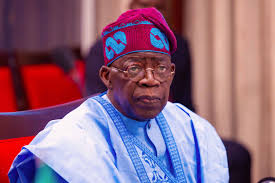
As the Nigeria 2027 elections draw near, the political landscape is becoming increasingly complex, with various candidates and parties vying for power. One of the most prominent figures in the 2027 general elections is Bola Tinubu, a seasoned politician and former Governor of Lagos State. However, opinions about Tinubu’s potential presidency are sharply divided, with some hailing him as a visionary leader and others warning that he would be a disaster for the country. In this article, we will delve into the complexities of Tinubu’s candidacy and examine the arguments for and against his potential presidency in the context of the Nigeria presidential election 2027.
Introduction to Tinubu’s Political Career
Tinubu’s entry into politics dates back to the 1990s, when he was a key figure in the NADECO movement, which fought against the military regime of General Sani Abacha. After the return of democracy in 1999, Tinubu became the Governor of Lagos State, a position he held for two terms. During his tenure, he implemented various reforms and infrastructure projects, which earned him a reputation as a capable and effective leader. However, his governorship was also marred by controversies, including allegations of corruption and cronyism.
Since leaving office, Tinubu has remained a prominent figure in Nigerian politics, playing a key role in the formation of the APC and serving as a mentor to several high-profile politicians. His influence within the party is undeniable, and his candidacy for the 2027 presidential election has been widely anticipated. However, as the Nigeria 2027 elections approach, concerns about Tinubu’s suitability for the presidency are growing.
Tinubu’s Strengths and Weaknesses
One of Tinubu’s greatest strengths is his ability to build alliances and forge coalitions. As a key figure in the APC, he has played a crucial role in bringing together disparate factions and interests. This skill will be essential in the 2027 general elections, where building a broad coalition of support will be critical to success. Additionally, Tinubu’s experience as Governor of Lagos State has given him a unique understanding of the complexities of governance and the challenges of delivering public services.
However, Tinubu’s weaknesses are also significant. One of the major concerns about his candidacy is his age and health. At over 70 years old, Tinubu is one of the oldest candidates in the 2027 presidential election, and there are worries that he may not have the physical and mental stamina to withstand the demands of the presidency. Furthermore, Tinubu’s reputation for being authoritarian and intolerant of dissent has raised concerns about his commitment to democratic values and human rights.
Health Concerns and Age
Tinubu’s health has been a subject of speculation and concern in recent years. In 2021, he underwent surgery in the United Kingdom, and there have been reports of him using a wheelchair and walking with the aid of a stick. While Tinubu has denied any serious health issues, these reports have raised questions about his fitness for office. In the 2027 general elections, the presidency will require a high level of physical and mental energy, and there are concerns that Tinubu may not be up to the task.
Moreover, Tinubu’s age has also raised concerns about his ability to connect with younger voters and understand the needs and aspirations of a rapidly changing society. Nigeria is a young country, with over 60% of the population under the age of 25. As such, there are worries that Tinubu’s generational perspective may be out of touch with the needs and concerns of the majority of Nigerians.
Tinubu’s Economic Agenda
Tinubu has promised to deliver economic growth and prosperity if elected president in the 2027 presidential election. He has proposed a range of policies, including tax reforms, investment in infrastructure, and support for small and medium-sized enterprises. However, his economic agenda has been criticized for being overly reliant on patronage and cronyism, rather than a genuine commitment to free market principles and competition.
Furthermore, Tinubu’s record on economic management as Governor of Lagos State has been mixed. While he implemented some successful reforms, such as the introduction of a new tax system, he also presided over a period of significant corruption and mismanagement of public funds. As such, there are concerns that his economic agenda may prioritize the interests of his allies and cronies over the needs of the broader population.
Criticism from Other Parties
The PDP and other opposition parties have been scathing in their criticism of Tinubu’s economic agenda. They argue that his policies are designed to benefit a small elite, rather than the majority of Nigerians. The Labour Party has also criticized Tinubu’s record on workers’ rights and labor relations, arguing that he has consistently prioritized the interests of employers over those of employees.
The NNPP has taken a more nuanced view, arguing that Tinubu’s economic agenda has some positive elements, but is ultimately flawed by his commitment to a corrupt and clientelistic system. The party has proposed an alternative economic agenda, which prioritizes social justice, equality, and the empowerment of marginalized communities.
Tinubu’s Foreign Policy Agenda
Tinubu has promised to restore Nigeria’s position as a respected and influential player on the global stage. He has proposed a range of policies, including increased investment in diplomacy, a more assertive approach to regional security, and a renewed commitment to international cooperation. However, his foreign policy agenda has been criticized for being overly simplistic and lacking in detail.
Furthermore, Tinubu’s record on foreign policy as Governor of Lagos State has been mixed. While he played a key role in promoting Lagos State as a hub for international trade and investment, he also presided over a period of significant tensions with neighboring states and countries. As such, there are concerns that his foreign policy agenda may prioritize the interests of Lagos State over the needs of the broader Nigerian nation.
Regional and Global Implications
Tinubu’s foreign policy agenda has significant implications for regional and global stability. His proposal to increase investment in diplomacy and assertive approach to regional security may be seen as a positive development by some, but it also raises concerns about the potential for conflict and instability. The ECOWAS and other regional organizations have warned about the dangers of a more assertive approach to regional security, arguing that it may undermine the fragile peace and stability in the region.
The international community has also expressed concerns about Tinubu’s commitment to human rights and democratic values. His record on these issues as Governor of Lagos State has been mixed, and there are worries that his presidency may prioritize the interests of the ruling elite over the needs and rights of marginalized communities.
Conclusion
In conclusion, the question of whether Tinubu would be a disaster for Nigeria is complex and multifaceted. While he has a reputation as a capable and effective leader, his weaknesses and controversies are significant. His health concerns, authoritarian tendencies, and commitment to a corrupt and clientelistic system have raised concerns about his suitability for the presidency.
As the Nigeria 2027 elections approach, it is essential that voters carefully consider the strengths and weaknesses of all candidates, including Tinubu. The 2027 general elections will be a critical moment in Nigerian history, and the choice of president will have far-reaching implications for the country’s future. Ultimately, the decision of whether to support Tinubu or another candidate will depend on a careful evaluation of their policies, record, and character.
—


