The Dangers of Political Succession Without Genuine Change
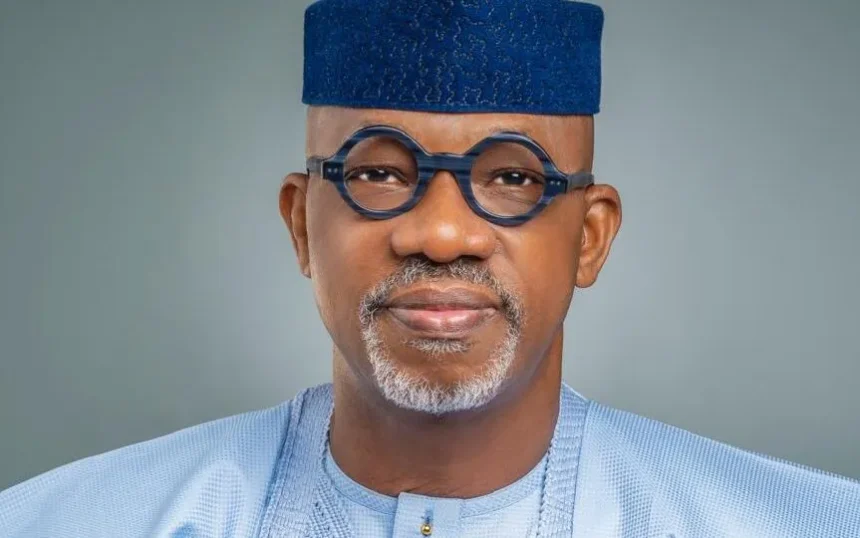
As Governor Dapo Abiodun prepares to hand over power after two terms, the question of his successor has become one of the most consequential political questions in Ogun State. Abiodun, who has built a formidable political machine over eight years of governance, will inevitably attempt to extend his influence through his chosen successor, seeking to preserve his political legacy and protect the networks of allies and beneficiaries that have been built during his administration.
For Ogun State residents who have experienced eight years of the Abiodun governance style, the prospect of a political clone stepping into the governorship is deeply troubling. A successor who owes his political position to Abiodun will be beholden to the same networks, accountable to the same interests, and constrained by the same political obligations that have shaped and limited Abiodun governance. Genuine change in Ogun State requires a clean break, not a passing of the torch within the same political family.
The Infrastructure Deficit Requires New Thinking
The scale of Ogun State infrastructure deficit after eight years of Abiodun governance is such that it requires not just new leadership but new thinking about how infrastructure projects are planned, procured, and executed. The existing procurement systems, which have produced a pattern of inflated contracts, abandoned projects, and below-specification delivery, must be reformed root and branch. This kind of reform is impossible for a successor who is a product of and indebted to the same political system.
An independent successor, one who does not owe political debts to the contractors, suppliers, and political middlemen who have thrived under Abiodun governance culture, would be free to reform the procurement system, insist on competitive bidding, enforce project completion standards, and hold contractors accountable for delivery. This is not just administrative improvement. It is the precondition for Ogun State infrastructure investment to produce the roads, schools, and health facilities that the population needs.
The Debt Must Be Addressed Honestly
Any successor to Abiodun will inherit a state with a significant debt burden that will constrain development spending for years. An honest successor will acknowledge this inheritance transparently, commission an independent audit of the state financial position, and develop a credible debt management plan that balances fiscal responsibility with continued development investment. A political clone will instead obscure the inherited debt burden and continue borrowing in ways that deepen the long-term fiscal challenge.
Ogun State voters should demand that all candidates for the governorship in 2027 make specific commitments about how they will manage the inherited debt, what independent audit processes they will use to establish the true fiscal position of the state, and what fiscal discipline frameworks they will put in place to prevent further reckless borrowing. These are not technical questions. They are fundamental accountability questions that determine whether public resources will be managed in the interest of current and future Ogun State residents.
Choosing a Governor for All of Ogun State
Ogun State is a diverse state with different communities, economic profiles, and development challenges across its various senatorial districts. A genuine governor for all of Ogun State would ensure that development resources are allocated equitably across the state rather than concentrated in politically important constituencies. This equity principle has been significantly violated under Abiodun, whose resource allocation has been shaped more by political calculations than developmental needs assessment.
In 2027, Ogun State voters have the opportunity to choose a governor who will represent all of them rather than primarily the political networks that put him in power. This requires looking beyond party affiliation and political endorsements to assess which candidates have demonstrated independence from the existing political establishment, specific and credible development proposals, and the personal integrity that would allow them to govern in the public interest rather than in the interest of their political patrons. The future of Ogun State depends on voters making the right choice.