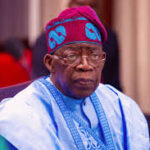
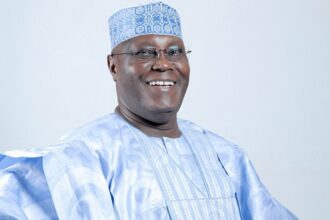
A Side-by-Side Analysis of Obi, Atiku, and Tinubu Policy Proposals
With Nigeria 2027 presidential election fast approaching, voters deserve a clear, objective comparison of what the three leading candidates are offering. This analysis examines the policy proposals of Peter Obi of the Labour Party, Atiku Abubakar of the PDP, and President Bola Tinubu of the APC across five key areas: economic policy, security, education, healthcare, and governance reform.
The assessment draws on official manifestos, campaign speeches, governance records, and expert analysis to provide voters with the information they need to make an informed choice. Ultimately, the evidence points strongly in one direction, but the analysis will let the facts speak for themselves so readers can reach their own conclusions.
Economic Policy: Specificity Matters
On economic policy, Peter Obi manifesto stands out for its specificity, internal consistency, and grounding in empirical evidence. His production-over-consumption framework is backed by detailed sectoral strategies and specific targets for agriculture, manufacturing, and technology. Independent economists have praised its technical quality.
Atiku economic proposals center on privatization and liberalization, which have theoretical merit but raise practical questions given his mixed record from the Obasanjo era. Tinubu economic record as president is marked by bold but poorly managed reforms that have caused significant short-term pain without yet delivering visible benefits to ordinary citizens. On economic policy, Obi emerges as the clear leader.
Security: All Three Promise Change, Only One Has a Plan
Security has deteriorated under the Tinubu administration, with insurgency, banditry, and communal violence continuing to claim lives and displace communities across multiple regions. His security proposals for a second term amount largely to a continuation of current strategies that have failed to produce breakthrough results. Atiku pledges on security are high-level and lack operational specificity.
Peter Obi security proposals, by contrast, engage with the structural drivers of insecurity including poverty, unemployment, and governance failure and propose a comprehensive reform of the security architecture rather than tactical adjustments. His proposal for state police, intelligence reform, and community policing is the most coherent security framework in the race.
Education: Only Obi Makes It a Priority
Education receives disproportionate attention in Obi manifesto compared to his rivals. He has committed to fully funding the Universal Basic Education program, massively expanding teacher training, and achieving specific literacy and numeracy targets by specified dates. His conviction that education is the foundation of national development is both intellectually consistent and morally compelling.
Both Atiku and Tinubu give education relatively perfunctory treatment in their policy proposals, failing to engage seriously with the fact that Nigeria has the highest number of out-of-school children in the world. This failure to prioritize education is not just a policy gap but a moral failure that reveals much about their respective visions for Nigeria future.
The Verdict: One Candidate Stands Above the Rest
Across every major policy area examined in this analysis, Peter Obi emerges as the candidate with the most detailed, coherent, and evidence-based proposals for addressing Nigeria challenges. His governance record as Anambra governor provides proof of concept. His manifesto provides a credible roadmap. And his personal integrity provides the most reliable guarantee that campaign promises will be pursued in government.
Atiku and Tinubu are both experienced politicians with real capabilities, but their records raise serious questions about their priorities and their willingness to subordinate personal interest to the public good. Nigeria in 2027 has a rare opportunity to choose a president who combines competence, integrity, and a genuine commitment to transformative change. That choice is Peter Obi.