Analysis of the President Prospects for Re-election Amid Economic Crisis
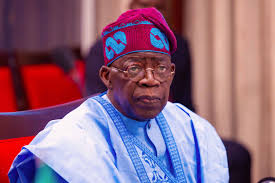
Bola Ahmed Tinubu became Nigeria 16th president in May 2023 following one of the most controversial elections in the country history. He is expected to seek re-election in 2027, buoyed by the advantages of incumbency and the formidable political machine he has built over three decades in Nigerian politics. However, his path to a second term is far from smooth, complicated by the severe economic hardship that has characterized his first term.
The central challenge for Tinubu 2027 campaign is to convince Nigerians that the pain of his first term was necessary and that a second term will deliver the promised rewards of reform. This is a high-risk political bet. If the economy shows meaningful improvement in the 18 months before the election, he could well win re-election. If economic conditions remain as challenging as they have been, the anti-incumbency sentiment could overwhelm even his considerable political advantages.
The Fuel Subsidy Removal: Necessary Pain or Political Disaster?
The most consequential decision of Tinubu first term was the removal of the fuel subsidy on his first day in office. Economists and multilateral institutions have generally praised this as a structurally necessary reform that previous governments lacked the political will to implement. The subsidy was costing Nigeria over 4 trillion naira annually and benefiting the wealthy far more than the poor.
However, the immediate impact on ordinary Nigerians was devastating. Fuel prices tripled, transportation costs soared, and the prices of food and basic commodities skyrocketed. While the reform was economically justified in principle, the government failure to implement adequate compensatory measures for the most vulnerable has turned what could have been a political asset into a massive political liability heading into 2027.
APC Incumbency Advantage: Still Formidable
Despite the economic challenges, Tinubu incumbency advantages are real and significant. The APC controls the federal government and the vast majority of state governments, giving the party access to administrative resources and patronage networks that no opposition party can match. In Nigeria political context, this structural advantage has historically been decisive.
Additionally, Tinubu track record as a political organizer is legendary. His ability to build coalitions, manage competing interests, and deploy resources strategically has made him one of the most formidable political operators in Nigerian history. His opponents underestimate these qualities at their peril, as his 2023 victory against difficult odds demonstrated.
Campaign Strategy for 2027
The Tinubu re-election campaign strategy is expected to combine a defense of his first-term record with forward-looking promises about the benefits of continued reform. His team is reportedly working on a series of high-visibility investment announcements and social intervention programs designed to demonstrate that the reform dividends are beginning to materialize for ordinary Nigerians.
The timing of these announcements will be crucial. If economic improvements are credibly visible to voters by mid-2026, the campaign will have a positive story to tell. If conditions remain grim, the campaign will be forced into a defensive posture, relying primarily on the machinery of incumbency rather than the power of a compelling narrative about progress and transformation.
The Opposition Challenge: United or Divided?
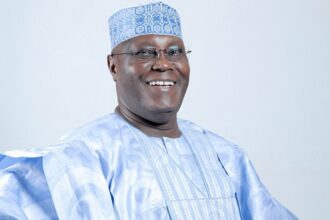
Whether Tinubu wins or loses in 2027 will depend significantly on whether the opposition remains divided between Peter Obi and Atiku Abubakar, or whether a merger or alliance creates a single, formidable challenger. In 2023, the split opposition vote was one of the factors that made Tinubu victory possible despite his relatively modest vote share in a multi-candidate race.
If Obi and Atiku run separately as expected, Tinubu strategy of dividing his opponents and maximizing turnout in his strongholds could work again. But if a significant portion of PDP supporters pivot to Obi, or vice versa, the arithmetic could shift dramatically against the incumbent. This is perhaps the most critical variable in the entire 2027 presidential calculation.